How to Prepare for Tax Season Without Stress
Tax season can be one of the most stressful times of the year for individuals and businesses alike. Missing documents, unclear rules, tight deadlines, and fear of IRS penalties often create unnecessary anxiety. The good news is that tax season does not have to be overwhelming. With the right preparation, planning, and professional support, you can file your taxes accurately, on time, and without stress.
This guide explains step by step how to prepare for tax season smoothly and confidently.
1. Start Preparing Early (Don’t Wait Until the Deadline)
One of the biggest reasons people feel stressed during tax season is procrastination. Waiting until the last minute leaves little room for corrections, planning, or professional advice.
What you should do:
Start gathering documents as early as possible
Review last year’s tax return for reference
Mark important tax deadlines on your calendar
Early preparation gives you time to:
2. Organize All Your Financial Documents
Disorganized paperwork is the number one cause of tax-season panic. Whether you are an individual or a business owner, having your documents in order saves time and prevents mistakes.
Common documents you need:
For businesses:
Keeping digital copies in labeled folders makes retrieval easy and stress-free.
3. Separate Personal and Business Finances
If you are self-employed or run a business, mixing personal and business finances creates confusion and increases the risk of errors.
Best practices:
Maintain a separate business bank account
Use a dedicated business credit card
Track business expenses regularly
This separation ensures accurate reporting and helps you claim legitimate deductions without complications.
4. Understand Your Tax Obligations
Many taxpayers feel stressed simply because they do not understand what is required of them. Tax rules differ for individuals, freelancers, LLCs, S-Corps, and corporations.
Key areas to understand:
If you operate in multiple states, compliance becomes even more important, as each state has its own rules.
5. Track Deductions Throughout the Year
Missing deductions means paying more tax than necessary. Many people forget deductible expenses because they don’t track them properly.
Common deductions include:
Using simple bookkeeping tools or professional bookkeeping services ensures no deduction is overlooked.
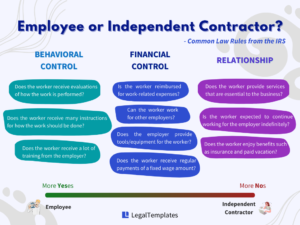
6. Review Payroll and Contractor Payments Carefully
Payroll and contractor reporting errors are a major source of IRS penalties. Incorrect W-2 or 1099 filings can trigger audits and fines.
What to double-check:
Employee vs contractor classification
Accurate payroll tax filings
Correct W-2 and 1099 information
Filing deadlines
Accurate payroll records reduce stress and protect your business from compliance issues.
7. Don’t Ignore IRS Notices
Receiving an IRS notice can be intimidating, but ignoring it only makes the situation worse.
If you receive a notice:
Many notices are simple clarifications that can be resolved quickly when handled properly.
8. Use Professional Accounting Support
One of the best ways to eliminate tax-season stress is to work with experienced accounting professionals. A qualified accountant ensures accuracy, compliance, and peace of mind.
Benefits of professional support:
Professional help allows you to focus on your work or business instead of worrying about paperwork.
9. Plan for the Future (Not Just This Tax Year)
Tax preparation should not be a once-a-year activity. Ongoing planning makes future tax seasons easier and more predictable.
Smart planning includes:
Quarterly tax reviews
Estimated tax planning
Cash flow management
Year-round bookkeeping
Proactive planning reduces surprises and ensures long-term financial stability.
10. Stay Calm and Take It Step by Step
Finally, remember that tax season is manageable. Breaking the process into small steps and getting the right help removes most of the stress.
Key mindset shift:
Tax season is not a crisis — it’s a process.
With organization, awareness, and professional guidance, filing your taxes becomes straightforward and stress-free.
📞 Get Started Today
Live Calls: +1-281-819-8806
Support: 713-322-0834
Email: Support@usaaccounting.online
WhatsApp: 832-832-0751
👉 Schedule Your Free Consultation